The Mediterranean Diet: A Complete Beginner’s Guide
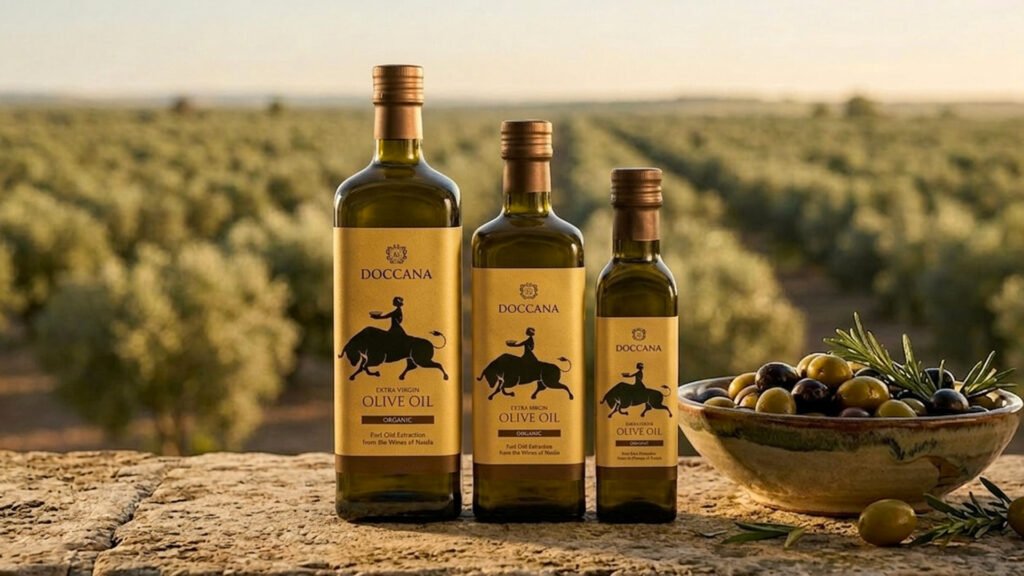
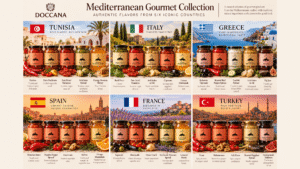
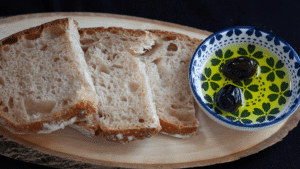
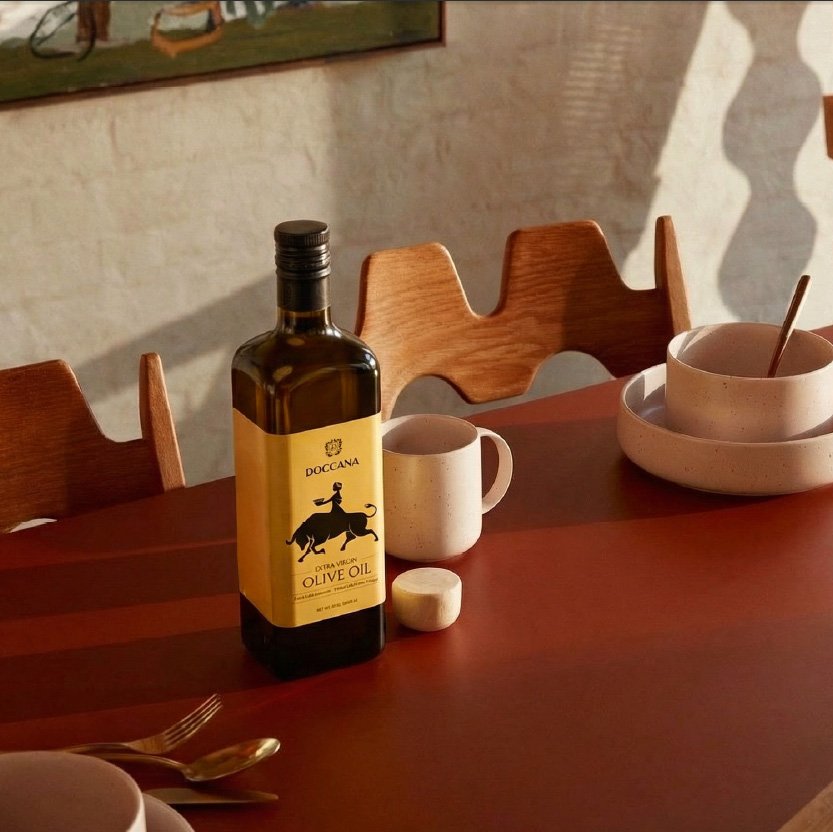
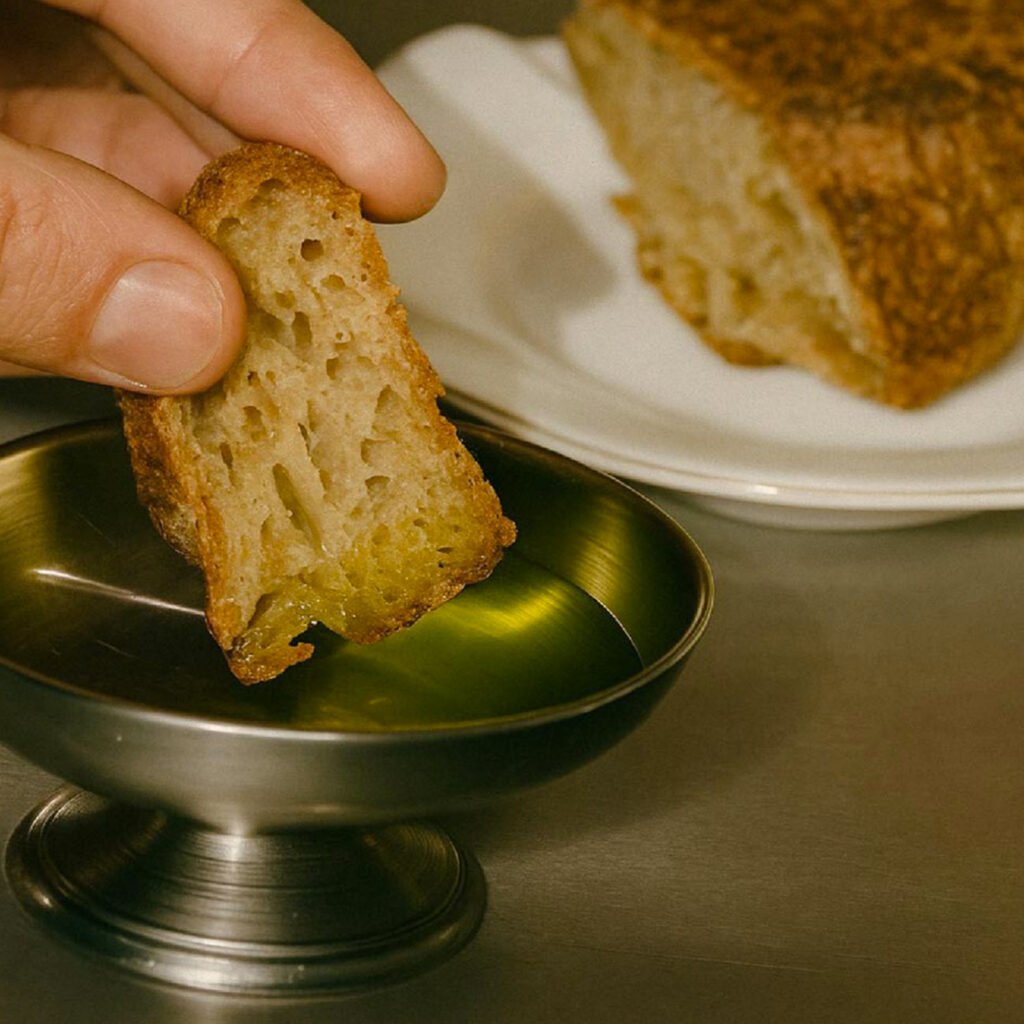
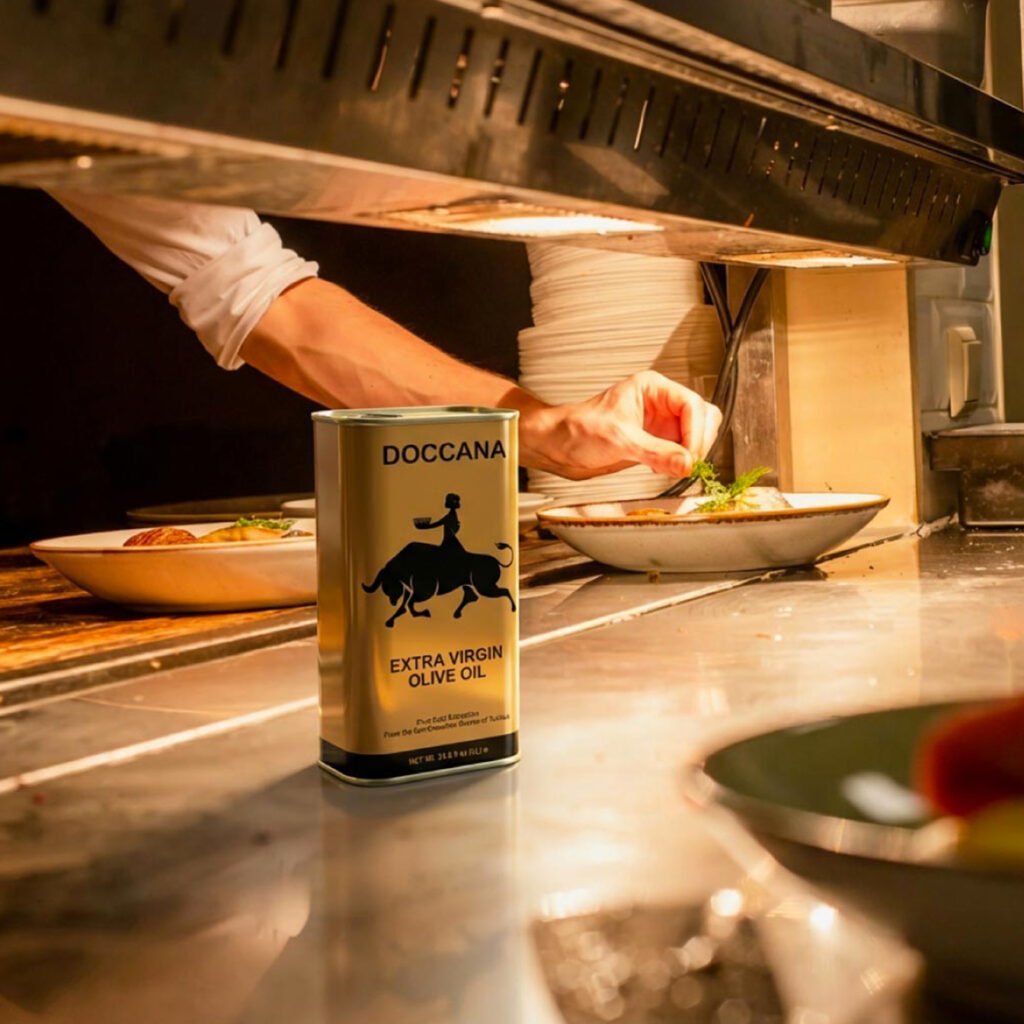
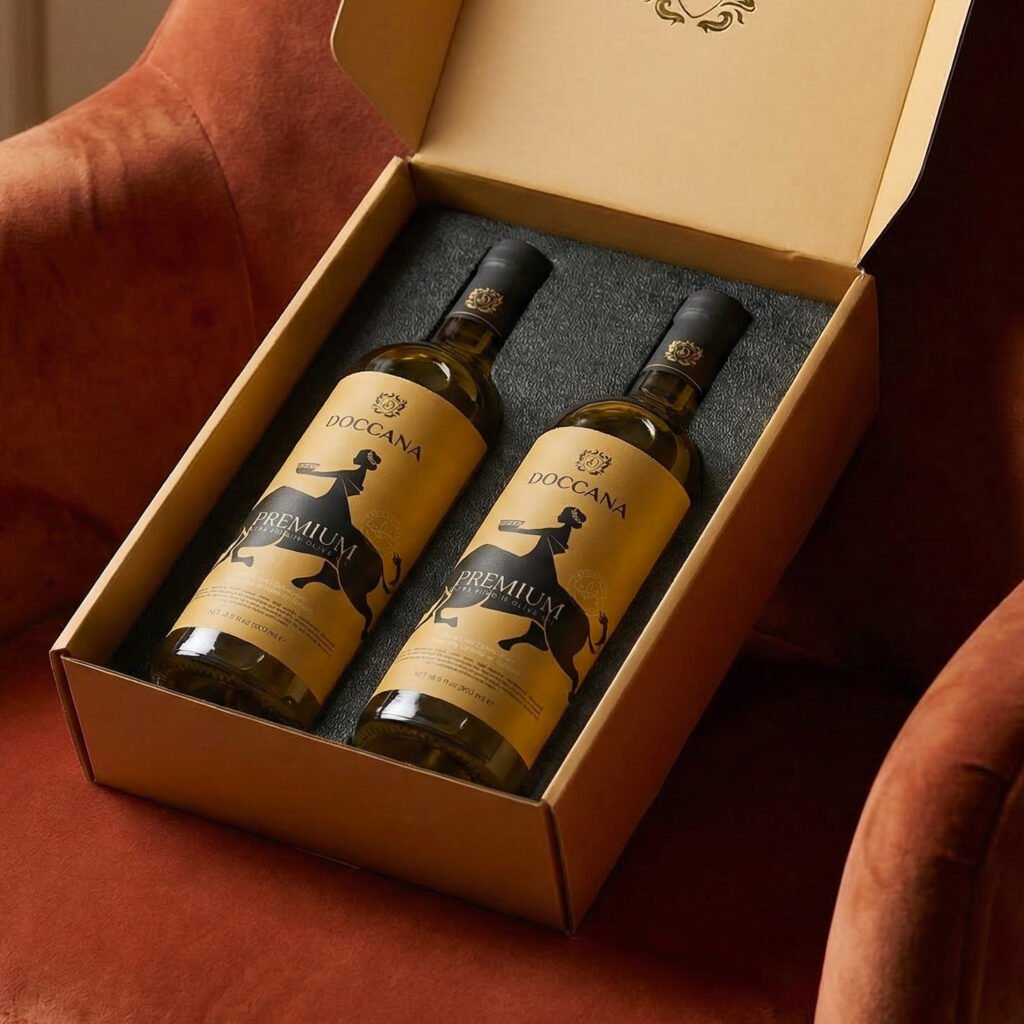
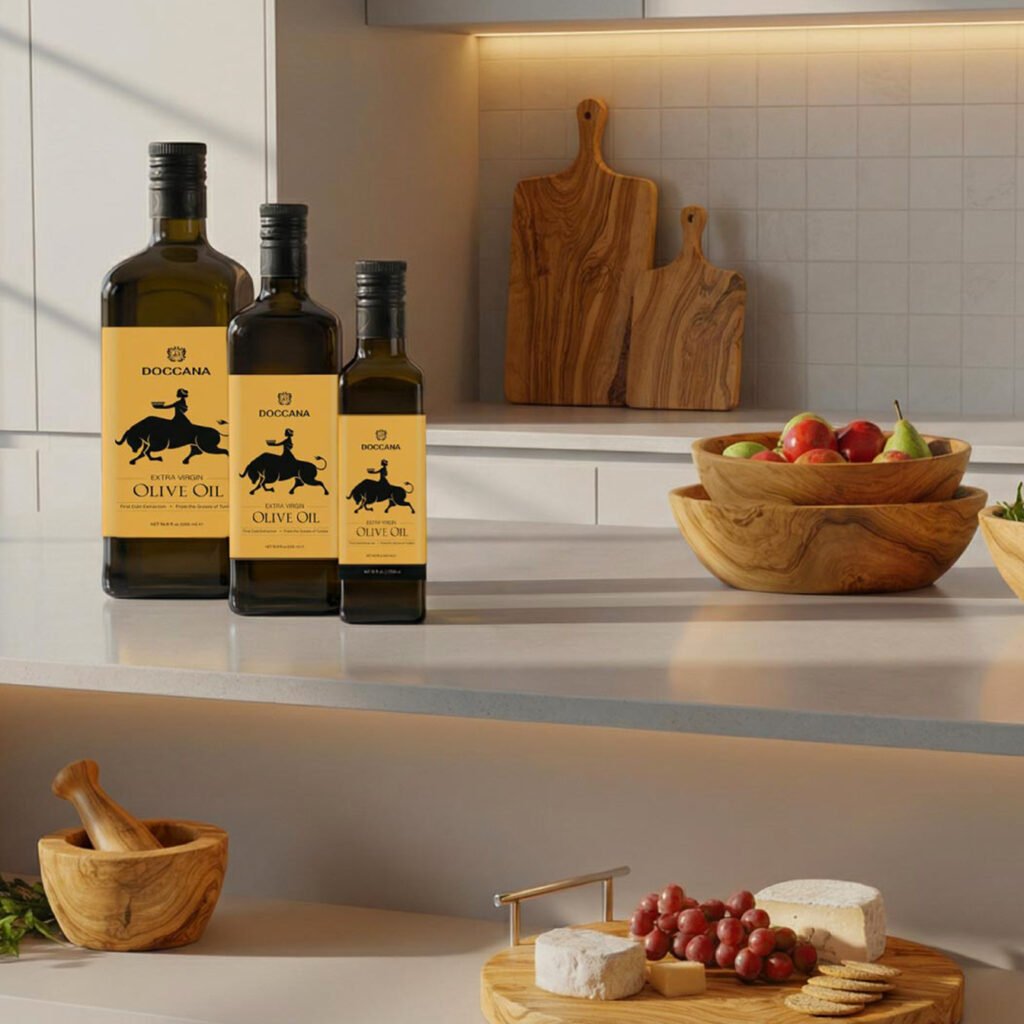
The Mediterranean diet is one of the most searched nutritional terms in the world. It has been ranked the best overall diet by US News & World Report for six consecutive years. It is recommended by cardiologists, endorsed by the WHO, and studied in hundreds of clinical trials. And yet most people who search for it get listicles, meal plans with superfoods they can’t pronounce, and recipes that bear little resemblance to how people actually eat around the Mediterranean. This guide explains what the Mediterranean diet really is: its principles, the foods that form its basis, the scientific evidence that supports it, and how to start eating this way without turning your whole kitchen upside down. What the Mediterranean Diet Actually Is? The Mediterranean diet is not a fixed set of rules invented by nutritionists. It is a pattern of eating that developed over centuries across the countries bordering the Mediterranean Sea: southern Italy, Greece, Spain, and, importantly for our purposes, Tunisia and the North African coast. What these cultures shared, despite their differences, was a common approach to food: This last point is more important than most food guides acknowledge. The Mediterranean diet is a social and cultural framework as much as a nutritional one. Food is experienced as a ritual, not simply as fuel. The Evidence: Why It Works The PREDIMED study, a landmark trial—the largest dietary intervention study of its kind—revealed that participants following a Mediterranean diet enriched with extra virgin olive oil reduced their risk of major cardiovascular events by 30% compared to a low-fat control diet. This effect is more significant than that of most drug interventions. Beyond heart health, consistent evidence points to: The Foods That Define the Mediterranean Diet Every day Several times per week Occasionally The North African Connection What often gets left out of the mainstream Mediterranean diet conversation is its North African dimension. Tunisian and Moroccan cuisine share all the foundational principles of the diet, abundant vegetables, legumes, quality olive oil, whole grains, and spice-forward cooking, but with their own distinct character. Harissa paste, for example, is more than just a simple condiment. It provides capsaicin and antioxidants from chili peppers, almost always in extra virgin olive oil. Used throughout Tunisia—incorporated into soups, spread on bread, added to couscous—it is a truly functional food, not just a seasoning. DOCCANA exists at exactly this intersection. Our pantry staples, from our certified organic EVOO to our traditional harissa, are not inspired by the Mediterranean diet. They are the Mediterranean diet, expressed through the Tunisian kitchen tradition that gave us our name. How to Start: A Practical First Week You do not need a meal plan. You need to shift three habits: After that first week, explore the Mediterranean delicacies that make this way of eating genuinely pleasurable — harissa, artichoke paste, dried tomatoes. Foods with flavour deep enough that you do not miss what you have reduced. Where DOCCANA Fits? DOCCANA’s pantry range was built for exactly this kind of kitchen. Our extra virgin olive oil is cold-pressed from Tunisian groves and meets the quality standard that the PREDIMED trial used. Our harissa and Mediterranean delicacies give your cooking the flavour and depth of a tradition that has been feeding people well for centuries. The Mediterranean diet is not complicated. It is simply a return to cooking the way people did before food became industrialised. DOCCANA is the pantry that makes that return easy.