Ask most people in Dubai where their olive oil comes from, and they will say Italy or Spain. That is not surprising. Italian and Spanish brands dominate the shelves; the branding is familiar, and the country of origin has become shorthand for quality in a category where few consumers read beyond the label.
Tunisia rarely appears in that conversation. It should.
Tunisia is the world’s second-largest olive oil producer. It has been cultivating olives for over two thousand years. Its interior regions contain some of the oldest olive trees on earth — trees that produce oil with measurably different properties from anything grown in European Mediterranean climates. And yet despite this heritage and scale, Tunisian olive oil remains one of the most underrecognised origins in the world — reaching consumers in the UAE and across the globe without the reputation it has earned.
This article explains what makes Tunisian olive oil technically and sensorially distinct, why the geography matters more than the label, and what to look for when you buy it.
The Scale of Tunisian Olive Production and Why It Stays Hidden
Tunisia devotes more than 30% of its total agricultural land to olive cultivation. That amounts to roughly 100 million olive trees, a number that places Tunisia consistently among the top two or three global producers depending on the harvest year.
Despite that scale, Tunisian olive oil remains underrepresented on international retail shelves — not because of quality, but because of visibility. Most Tunisian production has historically been exported in bulk, absorbed into larger supply chains, and sold without the origin story it deserves. Brand recognition simply has not caught up with the quality of what is being produced.
When Tunisian olive oil reaches you directly, under a Tunisian label with full traceability, the picture changes entirely.
The Olive Varieties That Define Tunisian Oil
Olive flavour, nutritional content, and chemical profile are determined primarily by the variety of olive, not the country of origin as a whole. Tunisia’s two dominant varieties produce oils with distinct and identifiable characteristics.
Chemlali is the most widely cultivated variety in Tunisia, grown predominantly in the arid interior regions. It produces an oil that is mild to medium in intensity, with a clean fruity aroma and a gentle finish. Chemlali oil tends to have high oleic acid content — the monounsaturated fat associated with cardiovascular benefits- and a smooth, approachable flavour profile that works well for everyday cooking, dressing, and finishing.
Chetoui is grown primarily in the northern coastal regions of Tunisia. It produces a more robust oil — higher in polyphenols, more intensely grassy and peppery, with a pronounced bitter finish that is a mark of quality rather than a defect. The peppery catch at the back of the throat that Chetoui produces is caused by oleocanthal, the compound with documented anti-inflammatory properties comparable to ibuprofen.
For more on polyphenols, oleocanthal, and what they mean practically for the oil you cook with, read our guide to high-polyphenol olive oil.
Why the Climate Produces High-Polyphenol Oil
Olive trees under environmental stress heat, low rainfall, poor soil, and wide temperature variation between day and night respond by producing more polyphenols. Polyphenols are the tree’s natural defence compounds. When those olives are pressed into oil, the polyphenols carry through, and they are what give high-quality EVOO its bitterness, its peppery finish, its antioxidant activity, and its longer shelf life.
Tunisia’s interior growing regions provide exactly these conditions. The semi-arid climate of the Sfax and Sidi Bouzid regions produces chronic water stress and intense seasonal heat that pushes trees to produce high-polyphenol fruit. By contrast, European olive-growing regions, particularly the coastal areas of southern Italy and Spain, have milder climates with more reliable rainfall. The oil that results is often lighter in flavour and lower in polyphenols.
The European Union has established a certified health claim for olive oils with a polyphenol content at or above 250 milligrams per kilogram, citing a contribution to the protection of blood lipids from oxidative stress. Many Tunisian EVOOs, particularly Chetoui and early-harvest Chemlali, qualify for this claim. Most standard supermarket EVOOs do not.
What Direct Sourcing Means in Practice
Most olive oil sold in the UAE passes through multiple intermediaries between the grove and the bottle. Each step introduces opportunities for dilution, blending with lower-grade oil, extended storage, and loss of traceability.
Direct sourcing eliminates most of those steps. At DOCCANA, we source from Tunisian groves with a direct relationship to the producer. Every batch is cold-pressed within hours of harvest to preserve polyphenol content and aroma. The oil is not blended with oil from other origins or other harvests. Each bottle carries its harvest date, origin region, and variety the three pieces of information most commonly absent from supermarket bottles.
Explore DOCCANA’s Tunisian olive oil collections.
How to Use Tunisian Olive Oil in Your Kitchen
Tunisian EVOO works across all cooking applications, not just as a finishing oil.
Chemlali, with its mild-to-medium profile, is the more kitchen-friendly variety. Use it for sautéing vegetables, building the base of a shakshuka or lentil soup, marinating chicken or fish, and in salad dressings where you want olive oil present but not dominant.
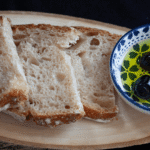
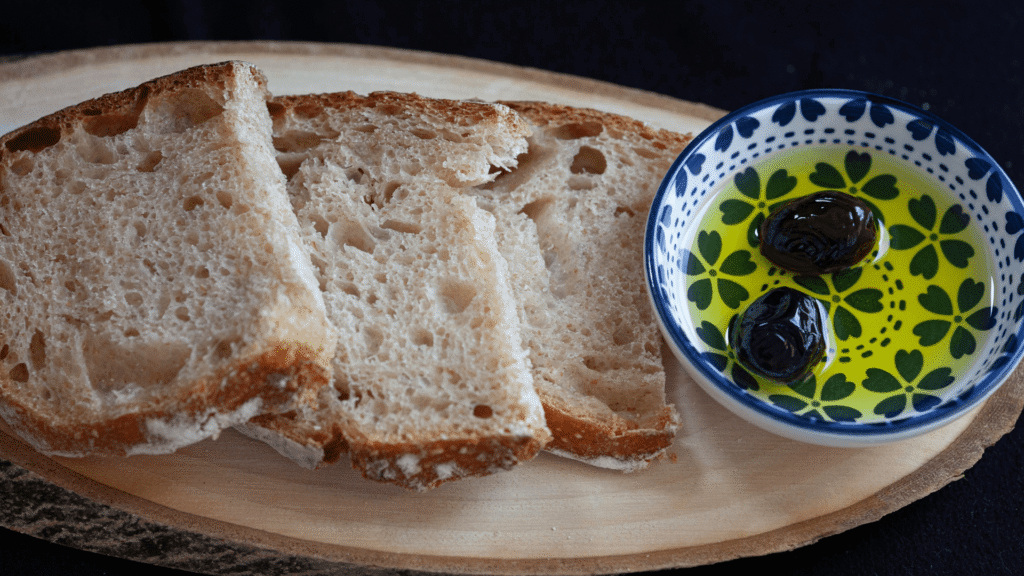
Chetoui, with its higher polyphenol content and more robust character, is best used where the oil can be tasted directly, drizzled over labneh or hummus, finishing a plate of grilled fish or roasted vegetables, or as the dipping oil served with good bread.
For practical everyday applications, browse our Mediterranean recipes and pantry guide.
Discover Tunisian Olive Oil for Yourself
Tunisia has been producing some of the world’s finest olive oil for two thousand years. It simply has not had the marketing infrastructure of its competitors. That gap between quality and recognition is closing, and for consumers in the UAE who care about what they cook with, it’s a real opportunity to buy better oil at a price that reflects the product, not the brand.