Walk down any supermarket aisle and every bottle on the shelf will call itself “extra virgin.” Almost none of them will tell you their polyphenol count, and that single number is the difference between an oil that actively protects your health and one that is, nutritionally speaking, just fat.
High-polyphenol olive oil isn’t a marketing category. It’s a measurable, lab-tested trait, and it’s quickly becoming the standard that serious cooks, nutritionists, and researchers use to judge quality. This guide explains what polyphenols are, why their levels vary so much from bottle to bottle, and how to actually find an oil that has them.
What Are Polyphenols, Exactly?
Polyphenols are naturally occurring plant compounds with strong antioxidant properties. Olives produce them as a defense mechanism to protect the fruit from oxidation, UV damage, pests, and environmental stress. When olives are pressed into oil, a portion of these compounds transfers into the liquid, along with the flavor and aroma they’re responsible for.
In olive oil specifically, the compounds that matter most are:
Oleocanthal – responsible for the peppery, throat-catching sensation in a good extra virgin olive oil, and a natural anti-inflammatory compound structurally similar to ibuprofen.
Oleuropein – the bitter compound found in unripe olives, with documented antioxidant and antimicrobial effects.
Hydroxytyrosol – considered one of the most powerful antioxidants found in nature, linked to cardiovascular and cellular protection.
We cover the research behind these compounds in more depth in our guide to the health benefits of olive oil, but the short version is: no polyphenols, no real benefit. The oil might still taste fine and fry your food, but it won’t do much else.
Why Polyphenol Levels Vary So Much
Two bottles labeled “extra virgin olive oil” can differ in polyphenol content by a factor of 10 or more. Several factors decide where an oil lands on that spectrum.
Harvest Timing
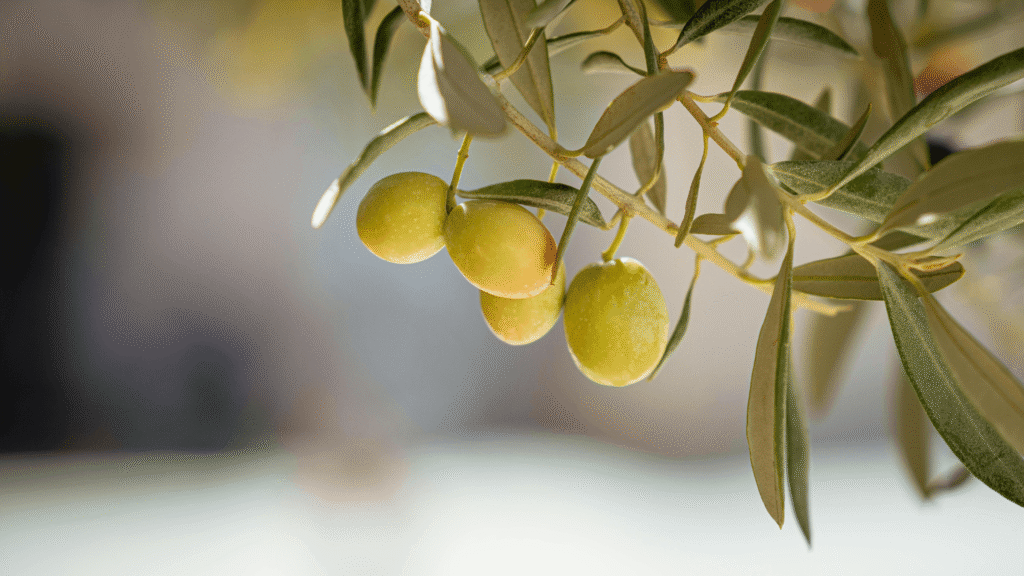
Olives picked early, while still green and slightly under-ripe, contain significantly more polyphenols than fully ripened, dark olives. Early harvest also means a lower oil yield per kilo of fruit, which is exactly why most commercial producers wait longer to harvest. More ripe fruit means more oil, less bitterness, and a cheaper product to bring to market, but far fewer of the compounds that make the oil worth buying in the first place.
Extraction Method
Heat and time are the enemies of polyphenols. Oil that is cold-pressed, meaning extracted mechanically at low temperatures, retains far more of its natural compounds than oil produced with heat-assisted extraction, which is faster and cheaper but strips away much of what made the fruit valuable to begin with.
Freshness
Polyphenol content degrades over time, even in a well-stored bottle. An oil that sat in a warehouse for two years before reaching a shelf has already lost a meaningful share of its original polyphenol content, regardless of how it was made. This is why a harvest date on the label matters more than a “best before” date.
Variety and Terroir
Some olive varieties are naturally higher in polyphenols than others, and growing conditions play a role too. Trees grown under mild stress, meaning less irrigation, poorer soil, or a harsher climate, tend to produce fruit with higher polyphenol concentrations, since the plant is producing more of these defensive compounds to cope. This is one of the reasons organic olive oil from low-intervention groves often tests higher than conventionally farmed oil.
How to Actually Recognize a High-Polyphenol Oil
You don’t need a lab to get a reasonable read on an oil’s polyphenol content. Your senses will tell you most of what you need to know.
- Taste it on its own. A high-polyphenol oil should have a noticeable bitterness on the front of the tongue and a peppery bite at the back of the throat, sometimes strong enough to make you cough. That sensation is oleocanthal at work, and it’s a good sign, not a flaw.
- Check for a harvest date, not just a “best before” date. Genuine producers put the harvest date on the bottle because they want you to know how fresh the oil is.
- Look for a single origin. Blended oils, often labeled simply “Product of the EU” or “Product of more than one country,” mix batches from different harvests, regions, and extraction methods. That blending averages out polyphenol content and makes it impossible to know what you’re actually getting.
- Ask about lab testing. Reputable producers can provide polyphenol counts in milligrams per kilogram, tested against the EFSA health claim threshold, which is a specific and verifiable number, not a vague adjective on packaging.
For a broader look at what separates real extra virgin oil from oil that only claims to be, see our guide on what extra virgin olive oil actually means.
Why Polyphenol Levels Actually Matter for Health
The EU and UK have both approved a specific health claim: olive oils containing at least 250mg/kg of hydroxytyrosol and its derivatives can state that the oil “contributes to the protection of blood lipids from oxidative stress.” That’s a regulated, evidence-based threshold, and most commercial olive oil on supermarket shelves doesn’t come close to it.
The clinical research supporting olive oil’s role in cardiovascular health, most notably the PREDIMED trial, was conducted using high-polyphenol extra virgin olive oil, not the refined or lightly-processed oil that makes up the majority of global sales. If the goal is to actually get the anti-inflammatory and antioxidant benefits people associate with olive oil, and not just a cooking fat, polyphenol content is the number that determines whether that’s realistic.
This is also directly relevant if you’re following, or considering, a Mediterranean diet, where olive oil isn’t a garnish but the primary source of daily fat. Using a low-polyphenol oil in that context means missing much of the point.
Does Cooking Destroy the Polyphenols?
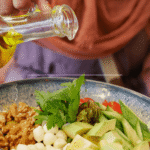
Partially, but less than most people assume. Studies show that extra virgin olive oil retains a meaningful share of its polyphenol content even at typical sautéing and roasting temperatures, largely because its high oleic acid content makes it more heat-stable than many other cooking oils. That said, the highest concentration of intact polyphenols is preserved when the oil is used raw: drizzled over vegetables, bread, or finished dishes, rather than used for prolonged high-heat frying.
A practical approach many Mediterranean households use is to keep one high-polyphenol oil for raw and finishing use, and a good quality (though not necessarily premium single-origin) extra virgin olive oil for everyday cooking.
Where This Fits at the Table
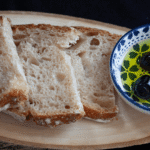
Once you have an oil worth using raw, using it well becomes the easy part. A high-polyphenol Tunisian olive oil belongs on grilled vegetables, drizzled over hummus, finished over soup, or paired with fresh bread and a bowl for dipping.
FAQs
What is considered a high-polyphenol olive oil?
There’s no single universal cutoff, but oils testing above 500mg/kg total polyphenols are generally considered high, and some early-harvest single-origin oils exceed 800mg/kg. For context, the EU health claim threshold sits at 250mg/kg for hydroxytyrosol and its derivatives specifically.
Is bitter olive oil better for you?
Generally, yes. Bitterness and a peppery throat sensation in olive oil correlate with higher oleuropein and oleocanthal content, both of which are the polyphenols responsible for most of the oil’s antioxidant and anti-inflammatory properties.
Does high-polyphenol olive oil cost more?
Usually. Early harvest reduces oil yield per kilo of olives, and cold-press extraction is slower than heat-assisted methods, both of which raise production costs. The tradeoff is an oil that delivers meaningfully more of what makes olive oil worth buying.
Can polyphenol content be verified?
Yes. Polyphenol content can be measured through laboratory testing and expressed in milligrams per kilogram. Producers who test their oil can usually provide these figures on request or on their packaging.
Taste the Difference Polyphenols Make
DOCCANA’s early-harvest extra virgin olive oil is cold-pressed and bottled with the harvest date on every bottle, so you know exactly what you’re getting. Shop DOCCANA’s Olive Oil Range.
For a certified organic, high-polyphenol EVOO sourced directly from Tunisian Chetoui groves, try the DOCCANA Premium Organic Extra Virgin Olive Oil 250ml.