The Mediterranean diet has been ranked the world’s best diet for several years in a row. The research behind it is solid: it reduces cardiovascular risk, supports healthy weight management, lowers inflammation, and improves long-term energy levels. Most people already know this.
What stops them is not the theory. It is sitting down on Sunday evening without a plan, opening the fridge, and defaulting to whatever is easiest.
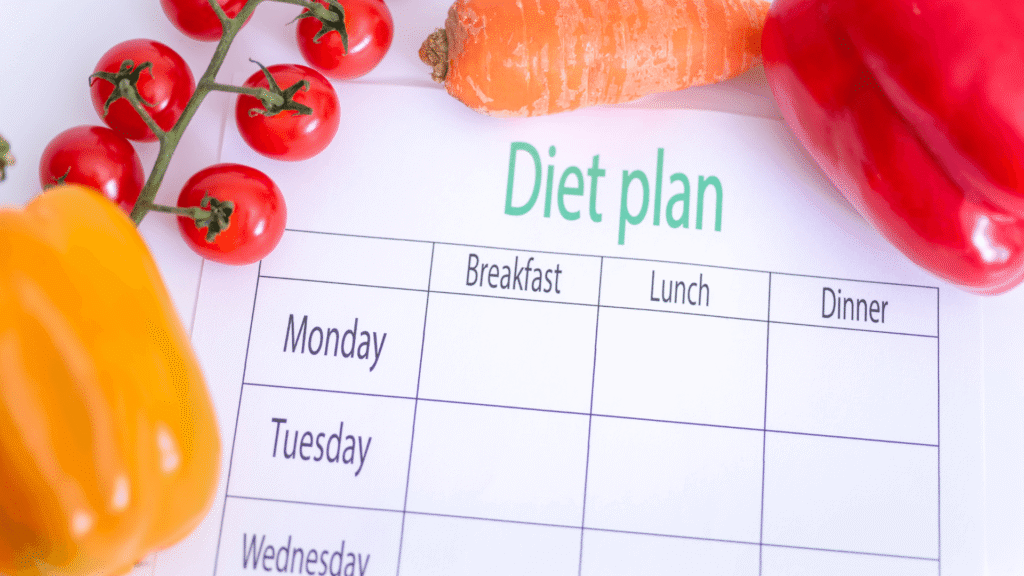
This meal plan solves that. Seven days, three meals a day, built around ingredients that are straightforward to find and simple to prepare. No complicated techniques, no obscure pantry items, no hour-long recipes on a Tuesday night. Just a week of eating well, laid out clearly.
For context on why the Mediterranean diet works the way it does, start with Mediterranean Diet: A Complete Beginner’s Guide.
A few notes before you start
Olive oil is the foundation. It appears in almost every meal as a cooking fat, a dressing, and a finishing drizzle. Use cold-pressed extra virgin olive oil throughout. This matters more than it might seem: refined olive oil has had its polyphenols removed and doesn’t carry the health properties that make the Mediterranean diet work nutritionally. What Is Extra Virgin Olive Oil and Why Does Grade Matter covers the difference if you need a reference.
Portions are flexible. This plan is not calorie-counted because the Mediterranean diet does not work that way. It is built on food quality and pattern, not restriction. Eat until you are satisfied, not until your plate is empty.
Preparation is optional but helpful. A few things a batch of chickpeas, a jar of harissa, a tub of labneh can be prepared on Sunday and used across multiple days. The plan notes where that applies.
Every ingredient in this plan is available in UAE supermarkets. Waitrose, Spinneys, Carrefour, and Jones the Grocer carry everything listed.
Monday
Breakfast: Greek-style yoghurt or labneh with a drizzle of extra virgin olive oil, a teaspoon of honey, and a small handful of walnuts or almonds. Serve with a piece of seasonal fruit on the side, whatever is ripe. This takes three minutes and covers protein, healthy fat, and slow-release carbohydrate before the day starts.
Lunch: A simple chickpea salad. Drain and rinse a tin of chickpeas and toss with diced cucumber, cherry tomatoes, red onion, chopped flat-leaf parsley, and a generous dressing of extra virgin olive oil and lemon juice. Season with salt, pepper, and a pinch of sumac if you have it. Serve with a piece of warm flatbread or a small bowl of labneh on the side.
Dinner: Baked white fish sea bass, hammour, or any firm white fish available with roasted cherry tomatoes, olives, and capers. Drizzle generously with olive oil, add a few slices of preserved lemon if you have them, and bake at 200°C for 18 to 20 minutes. Serve with couscous or bulgur wheat dressed with olive oil and a handful of chopped herbs.
Tuesday
Breakfast: Two eggs of any style poached, fried in olive oil, or scrambled- on toasted sourdough or flatbread. Add sliced tomatoes, a few olives, and a sprinkle of zaatar. This is a standard Mediterranean breakfast that appears in some form across Lebanon, Greece, Tunisia, and Turkey.
Lunch: Leftover chickpea salad from Monday with an added handful of rocket or spinach, a few sun-dried tomatoes, and a soft-boiled egg. Dress again with olive oil and lemon. Mediterranean food is not precious about leftovers. Building a second meal from yesterday’s components is part of how the diet works practically.
Dinner: Shakshuka. Sauté one diced onion and two garlic cloves in olive oil until soft. Add a tin of chopped tomatoes, a tablespoon of harissa paste, a teaspoon of cumin, and a pinch of smoked paprika. Simmer for ten minutes until thick, then crack four eggs directly into the sauce, cover the pan, and cook until the whites are set but the yolks are still runny. Serve directly from the pan with good bread for scooping. This is one of the most practical dishes in Mediterranean cooking: one pan, one meal, minimal washing up.
For good harissa, browse DOCCANA’s Mediterranean delicacies range, or make your own following our recipe: How to Make Authentic Tunisian Harissa at Home.
Wednesday
Breakfast: A smoothie built around real ingredients rather than powder: frozen banana, a handful of spinach, a tablespoon of almond or tahini, oat milk, and a tablespoon of extra virgin olive oil blended in at the end. The olive oil adds creaminess and healthy fat that extends satiety through the morning.
Lunch: Hummus bowl. Spread a generous portion of hummus in a wide bowl, top with roasted chickpeas (tossed in olive oil and cumin and baked at 200°C for 20 minutes), sliced cucumber, a handful of cherry tomatoes, and a drizzle of extra virgin olive oil. Serve with warm flatbread or pitta.
Dinner: Grilled chicken thighs marinated in olive oil, lemon juice, garlic, oregano, and a tablespoon of harissa for four hours or overnight. Grill or roast at high heat until the skin is charred and the meat is cooked through. Serve with a simple green salad of rocket, cucumber, avocado, lemon juice, olive oil, and a bowl of tabbouleh or a grain side.
Thursday
Breakfast: Labneh on toast with sliced tomatoes, a few Kalamata olives, and a drizzle of olive oil. Add a soft-boiled egg on the side. If you keep a jar of zaatar in your pantry, a pinch across the labneh changes the whole thing.
Lunch: A grain bowl built on whatever cooked grain you have: couscous, bulgur, or quinoa. Top with roasted vegetables (whatever needs using: courgette, aubergine, capsicum, sweet potato), a handful of chickpeas, a spoonful of harissa stirred through, and a final drizzle of olive oil. This format is endlessly adaptable and takes twenty minutes if the grain is already cooked.
Dinner: Lentil soup. Sauté one onion, two garlic cloves, and a teaspoon each of cumin and coriander in olive oil until fragrant. Add 250g of red lentils, a tin of chopped tomatoes, and 800ml of vegetable or chicken stock. Simmer for 25 minutes until the lentils have broken down. Finish with a squeeze of lemon juice and a generous drizzle of extra virgin olive oil just before serving. Serve with warm bread and a small dish of olives on the side.
Friday
Breakfast: A small mezze-style spread that takes no cooking: labneh, a few olives, sliced cucumber and tomatoes, a piece of flatbread, and a small dish of olive oil mixed with zaatar for dipping. In Lebanon, Greece, and Tunisia, this format of small things on a plate is a perfectly acceptable and genuinely satisfying breakfast. It is also useful at the end of the week when fridge and energy levels are both lower.
Lunch: A simple pasta with olive oil, garlic, and whatever fresh herbs you have. Bring salted water to the boil, cook spaghetti or linguine until al dente, then toss with four tablespoons of good extra virgin olive oil, two finely sliced garlic cloves softened briefly in the oil, a handful of fresh parsley or basil, and a squeeze of lemon. Add a handful of cherry tomatoes, halved and warmed through. Finish with Parmesan or leave it without for a lighter version. This is one of the most useful techniques in the Mediterranean kitchen: the olive oil becomes the sauce.
Dinner: Grilled lamb chops or kofta with a herb and yoghurt sauce. Marinate the lamb in olive oil, garlic, cumin, and dried oregano. Grill or pan-fry over high heat until charred at the edges and pink in the middle. Serve with warm flatbread, a bowl of labneh or Greek yoghurt stirred with chopped mint and cucumber, and a simple salad. Friday dinner in a Mediterranean household is never complicated; it is good ingredients, cooked simply, eaten slowly.
Saturday
Breakfast: Shakshuka again, or a variant. On the weekend, there is time for a proper cooked breakfast. Use the same base as Tuesday but add a handful of spinach stirred in before the eggs, or swap the harissa for a mix of cumin, smoked paprika, and roasted red peppers for a milder version. Serve with warm bread and fresh orange juice if you have it.
Lunch: A proper tabbouleh. Soak 100g of fine bulgur wheat in cold water for 20 minutes, then drain and squeeze dry. Combine with three large bunches of flat-leaf parsley (finely chopped; more parsley than bulgur is correct), two ripe tomatoes diced small, four spring onions sliced, the juice of two lemons, and four tablespoons of extra virgin olive oil. Season generously. Let it sit for 15 minutes before serving. Tabbouleh is one of the few dishes where the quality of the olive oil is immediately obvious: it is raw, it is present in every bite, and it needs to be good.
Dinner: A sharing spread, the Mediterranean weekend dinner format. Hummus, labneh with olive oil and zaatar, a plate of roasted vegetables, grilled flatbread, olives, and whatever else is in the fridge. Add marinated anchovies or smoked fish if you want something more substantial. The point of this format is that it is built on pantry staples and leftovers, requires very little cooking, and is genuinely better shared than eaten alone.
Sunday
Breakfast: Overnight oats with olive oil. Combine 80g of oats with 200ml of oat or almond milk, a tablespoon of Greek yoghurt, a teaspoon of honey, and a teaspoon of extra virgin olive oil. Leave overnight. In the morning, top with fresh fruit, a small handful of nuts, and another drizzle of olive oil. This sounds unusual but is a well-established practice in parts of the Mediterranean diet. The olive oil adds richness and helps slow the release of sugars from the oats.
Lunch: A Niçoise-style salad. Arrange on a large plate: boiled new potatoes, green beans blanched and cooled, halved hard-boiled eggs, cherry tomatoes, olives, and either canned tuna or pan-seared fresh tuna. Dress with a simple vinaigrette of three parts extra virgin olive oil to one part red wine vinegar, a teaspoon of Dijon mustard, and salt and pepper. This is a complete meal on one plate and requires no cooking beyond boiling the eggs and potatoes.
Dinner: Use Sunday to batch-cook for the week ahead. Make a large pot of lentil soup or a chickpea stew. Roast a tray of vegetables with olive oil and herbs that can be used across Monday and Tuesday lunches. Cook a batch of grains. The Mediterranean diet is practical by design; it was built around seasonal availability and the logic of using things well, not wasting them.
Building the right pantry
This week’s plan works because of what is already in the cupboard. The items below are the ones that appear most frequently across the seven days, worth having stocked before the week begins.
Extra virgin olive oil is used in almost every meal. Buy a bottle with a printed harvest date and an acidity level below 0.8%. For a full guide on what to look for: Premium Olive Oil in Dubai: A Buyer’s Guide.
Harissa appears in Tuesday’s dinner and Wednesday’s lunch and can be added to almost anything that needs warmth and depth.
Labneh, chickpeas (tinned and dried), good canned tomatoes, couscous or bulgur wheat, lemons, garlic, and flat-leaf parsley are the building blocks of most of what is in this plan.
Eating well across a full week does not require a different lifestyle. It requires a plan and the right things in the cupboard. This is the plan.
Start Eating Mediterranean This Week
Eating well across a full week does not require a different lifestyle. It requires a plan and the right things in the cupboard. This is the plan.
Shop DOCCANA’s extra virgin olive oil and Mediterranean pantry essentials sourced from Tunisia, delivered anywhere in the UAE.