The Mediterranean diet is one of the most searched nutritional terms in the world. It has been ranked the best overall diet by US News & World Report for six consecutive years. It is recommended by cardiologists, endorsed by the WHO, and studied in hundreds of clinical trials. And yet most people who search for it get listicles, meal plans with superfoods they can’t pronounce, and recipes that bear little resemblance to how people actually eat around the Mediterranean.
This guide explains what the Mediterranean diet really is: its principles, the foods that form its basis, the scientific evidence that supports it, and how to start eating this way without turning your whole kitchen upside down.
What the Mediterranean Diet Actually Is
The Mediterranean diet is not a fixed set of rules invented by nutritionists. It is a pattern of eating that developed over centuries across the countries bordering the Mediterranean Sea: southern Italy, Greece, Spain, and, importantly for our purposes, Tunisia and the North African coast. What these cultures shared, despite their differences, was a common approach to food:
- Plants at the centre of every meal: vegetables, legumes, whole grains, nuts, and fruit.
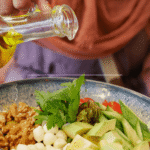
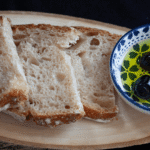
- Extra virgin olive oil as the primary fat, not butter, not refined oils.
- Fish and seafood are eaten regularly; red meat is rarely eaten.
- Dairy in moderate amounts, mostly as yoghurt and aged cheese.
- Herbs and spices are used generously, including chilli pastes like harissa.
- Meals shared slowly, with people, without screens.
This last point is more important than most food guides acknowledge. The Mediterranean diet is a social and cultural framework as much as a nutritional one. Food is experienced as a ritual, not simply as fuel.
The Evidence: Why It Works
The PREDIMED study, a landmark trial—the largest dietary intervention study of its kind—revealed that participants following a Mediterranean diet enriched with extra virgin olive oil reduced their risk of major cardiovascular events by 30% compared to a low-fat control diet. This effect is more significant than that of most drug interventions.
Beyond heart health, consistent evidence points to:
- Reduced risk of type 2 diabetes: The diet’s emphasis on whole grains, legumes, and healthy fats stabilises blood sugar far better than low-fat diets.
- Lower rates of cognitive decline: Studies have linked adherence to the Mediterranean diet with slower progression of Alzheimer’s and better overall brain health.
- Reduced inflammation: Polyphenols from extra virgin olive oil and antioxidants from vegetables and legumes reduce markers of systemic inflammation.
- Better gut health: The diet’s high fibre content from vegetables, legumes, and whole grains feeds a diverse gut microbiome, increasingly linked to immunity and mood.
- Healthier weight management: Not through calorie restriction, but through satiety, healthy fats, fibre, and protein, keeps you full longer.
The Foods That Define the Mediterranean Diet
Every day
- Vegetables: especially cooked with olive oil (tomatoes, peppers, courgette, aubergine, leafy greens)
- Legumes: chickpeas, lentils, white beans
- Whole grains: sourdough, barley, bulgur, couscous
- Extra virgin olive oil as your primary cooking and dressing fat
- Nuts and seeds: walnuts, almonds, sesame
- Fresh or dried fruit
- Herbs, garlic, and spices, including chilli condiments like harissa paste, are used in the North African expression of the diet.
Several times per week
- Fish: particularly oily fish: sardines, mackerel, sea bass, tuna
- Eggs
- Yoghurt and aged cheese in small amounts
Occasionally
- Poultry: grilled or roasted, not fried
- Red meat: a few times per month at most
- Wine: traditionally with meals, in moderation
The North African Connection
Tunisian and Moroccan cuisine share all the foundational principles of the diet — abundant vegetables, legumes, quality olive oil, whole grains, and the kind of Mediterranean pantry built for spice-forward, deeply flavoured cooking- but with their own distinct character.
Harissa paste, for example, is more than just a simple condiment. It provides capsaicin and antioxidants from chili peppers, almost always in extra virgin olive oil. Used throughout Tunisia—incorporated into soups, spread on bread, added to couscous—it is a truly functional food, not just a seasoning.
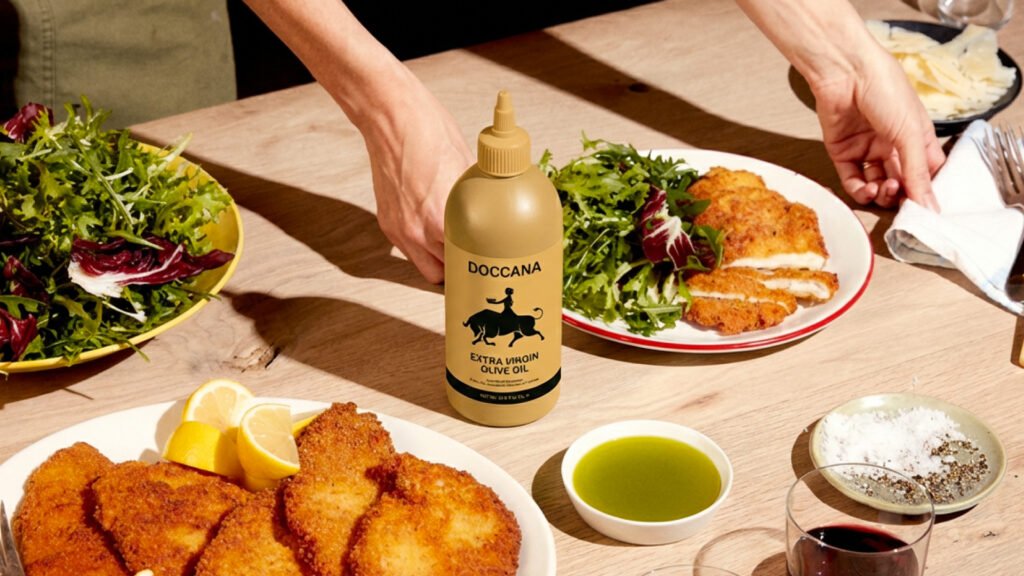
DOCCANA exists at exactly this intersection. Our pantry staples, from our certified organic EVOO to our traditional harissa, are not inspired by the Mediterranean diet. They are the Mediterranean diet, expressed through the Tunisian kitchen tradition that gave us our name.
How to Start: A Practical First Week
You do not need a meal plan. You need to shift three habits:
- Replace your cooking oil with extra virgin olive oil. Every time you reach for butter, sunflower oil, or vegetable oil — use EVOO instead. This single change has a measurable impact.
- Add a legume to one meal per day. Chickpeas in a salad. Lentil soup for lunch. White beans with dinner. Cheap, simple, and one of the most significant things you can do for gut health.
- Eat a vegetable before your protein. Not alongside it — before it. Build the meal around the plant, not the meat.
After that first week, explore the Mediterranean delicacies that make this way of eating genuinely pleasurable — harissa, artichoke paste, dried tomatoes. Foods with flavour deep enough that you do not miss what you have reduced.
Frequently Asked Questions
What do you eat on the Mediterranean diet?
Vegetables, legumes, whole grains, and extra virgin olive oil daily. Fish several times a week. Small amounts of yoghurt and aged cheese. Red meat occasionally. Herbs and spices are generously used, including harissa in the North African tradition. No processed foods, no refined oils.
Is the Mediterranean diet good for weight loss?
It is not a calorie-restriction diet. But healthy fats, fibre, and protein keep you full naturally. Studies consistently show better long-term weight loss on the Mediterranean diet than on low-fat diets, without the restriction.
What makes the Mediterranean diet different from other diets?
Most diets cut things out. The Mediterranean diet adds more vegetables, better fats, and more flavour. The PREDIMED trial found a 30% reduction in major cardiovascular events. No other diet has that level of clinical evidence behind it.
Where does DOCCANA fit
DOCCANA’s pantry range was built for exactly this kind of kitchen. Our extra virgin olive oil is cold-pressed from Tunisian groves and meets the quality standard that the PREDIMED trial used. Our harissa and Mediterranean delicacies give your cooking the flavour and depth of a tradition that has been feeding people well for centuries. The Mediterranean diet is not complicated. It is simply a return to cooking the way people did before food became industrialised. DOCCANA is the pantry that makes that return easy.
Build Your Mediterranean Pantry — Shop DOCCANA
Extra virgin olive oil · Harissa paste · Mediterranean staples · UAE delivery. Shop the Full Range.